
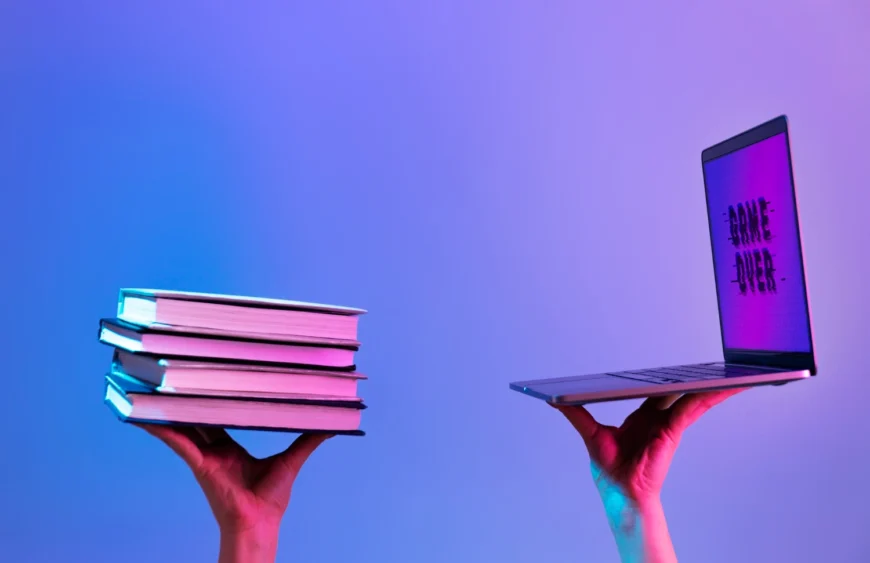
In recent years, there has been a significant shift in how people consume books, with many readers turning to ebooks as their preferred format. The traditional paper books have been around for centuries, and they still hold a special place in the hearts of many readers. However, with the advent of technology, ebooks vs paper books has become a hotly debated topic in the world of literature, technology, and education. In this comprehensive article, we will explore the advantages of ebooks over paper books and examine why ebooks are becoming increasingly popular.
1. Introduction: The Rise of Ebooks
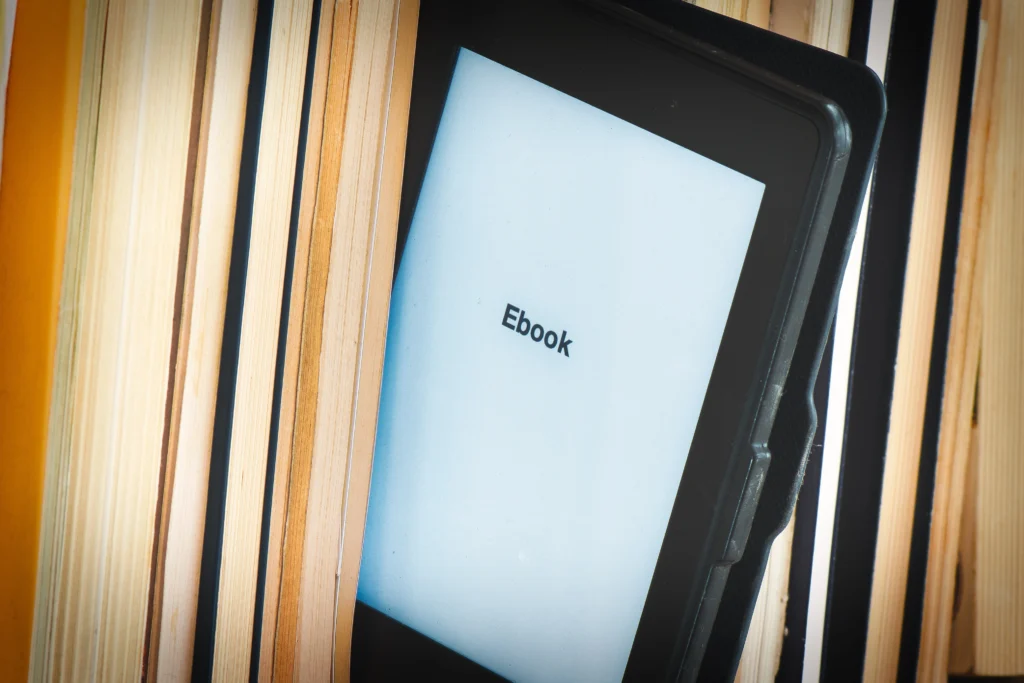
The debate between ebooks vs paper books has been ongoing for several years, but there is no denying that ebooks have rapidly gained popularity. With the increasing availability of digital devices like smartphones, tablets, and e-readers, people now have access to thousands of books at their fingertips. Whether for leisure reading or educational purposes, ebooks offer numerous advantages over their paper counterparts.
2. Ebooks vs Paper Books: Convenience
One of the primary reasons why ebooks are considered better than paper books is the convenience they offer. With ebooks, readers can carry a library of books on a single device, making it easier to access reading material anytime, anywhere.
Portability and Accessibility
Unlike paper books, which are bulky and require space, ebooks are incredibly portable. Whether you’re on a long flight or waiting for an appointment, you can easily access your ebook library on your smartphone, tablet, or e-reader. This portability makes it easy for readers to carry an entire collection of books without the need for a backpack or extra space.
Storage Space
With physical books, storage becomes an issue. A large collection of books requires bookshelves and space in your home. In contrast, ebooks don’t take up any physical space. They are stored digitally, so you can carry thousands of books in your e-reader without worrying about space limitations.
3. Ebooks vs Paper Books: Cost-Effectiveness
Affordable Prices of Ebooks
When comparing ebooks vs paper books, the cost is another factor that gives ebooks the upper hand. On average, ebooks are more affordable than their paper counterparts because they don’t require printing, binding, or physical distribution. This makes it possible for authors and publishers to offer ebooks at significantly lower prices, making them more accessible to a broader audience.
Cost of Paper Books and Physical Bookstores
Paper books come with additional costs, such as printing, shipping, and storage. These costs are passed on to the consumers, making paper books more expensive. Moreover, paper books often require the reader to go to a bookstore or wait for an online order to be delivered, whereas ebooks can be purchased instantly and downloaded within seconds.
4. Ebooks vs Paper Books: Environmental Impact
With growing concerns over environmental sustainability, the impact of ebooks vs paper books on the planet has become a key point of discussion.
Reduced Carbon Footprint of Ebooks
The production of paper books requires significant natural resources, including paper and ink. Trees must be cut down, and large amounts of energy are required to print and ship books across the globe. Ebooks, on the other hand, have a minimal environmental footprint. The digital nature of ebooks means that there is no need for paper, ink, or shipping, making them a more sustainable option.
Deforestation and Paper Consumption
The paper industry is one of the major contributors to deforestation. Each year, millions of trees are cut down to produce paper for books, magazines, and newspapers. By switching to ebooks, readers can reduce their contribution to deforestation and support environmental conservation.
5. Ebooks vs Paper Books: Reading Experience
Customization and Personalization
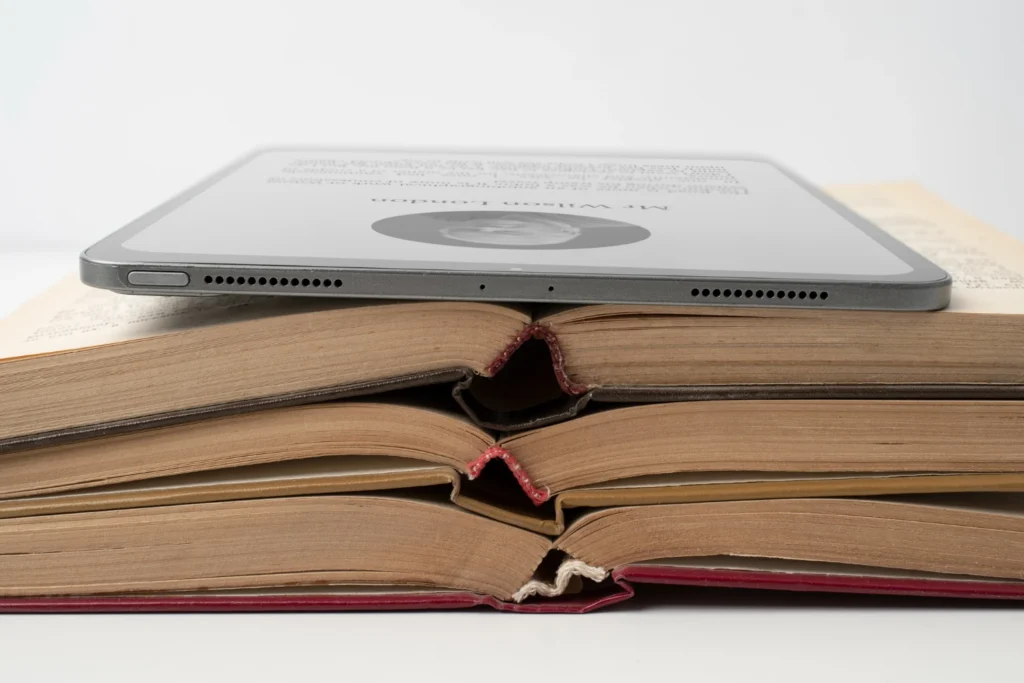
When it comes to the reading experience, ebooks offer various features that paper books cannot match. For instance, ebooks allow readers to adjust font size, line spacing, and background color to suit their preferences. This customization can enhance the overall reading experience, especially for individuals with specific visual needs.
Eye Comfort and Screen Fatigue
However, one downside to ebooks is the issue of screen fatigue. Reading on a digital device for extended periods can strain the eyes, leading to discomfort. Paper books, on the other hand, do not have this issue and offer a more natural reading experience. Nevertheless, with advancements in e-ink technology, e-readers have become more eye-friendly, offering a reading experience similar to paper books.
6. Ebooks vs Paper Books: Interactive Features
Highlighting and Note-taking
One of the major advantages of ebooks over paper books is the ability to easily highlight text and make notes. With an ebook, readers can highlight sections, add annotations, and even share quotes with others. These features make ebooks an excellent choice for students and researchers who need to mark important passages and organize their thoughts.
Multimodal Learning (Audio, Visual, Text)
Ebooks also support multimedia elements such as audio and video. For example, educational ebooks may include interactive features like videos, audio clips, and quizzes, which can enhance learning. Paper books, in contrast, are limited to text and images, making ebooks a better choice for interactive learning experiences.
7. Ebooks vs Paper Books: Accessibility

Features for Visually Impaired Readers
Ebooks offer significant advantages for visually impaired readers. With text-to-speech technology, ebooks can be read aloud, allowing those with visual impairments to enjoy the content. Paper books, on the other hand, require physical copies of books with large print or Braille for accessibility, which can be difficult to find or expensive to produce.
Search and Navigation Options
Another major benefit of ebooks is the ability to search through the text. Readers can quickly locate specific words, phrases, or chapters, making it easier to navigate through large volumes of content. This feature is especially helpful for reference books and research materials. Paper books, however, require the reader to flip through pages manually, which can be time-consuming.
8. Ebooks vs Paper Books: The Future of Reading
The future of reading seems to be moving toward ebooks, as technology continues to evolve. With the rise of audiobooks, interactive ebooks, and digital libraries, more and more readers are opting for the digital format. While paper books will always have a nostalgic charm, ebooks are the future of reading, offering unparalleled convenience, affordability, and sustainability.
9. Conclusion: Why Ebooks Are the Future
In conclusion, when comparing ebooks vs paper books, it’s clear that ebooks offer numerous advantages in terms of convenience, cost-effectiveness, environmental sustainability, and accessibility. While paper books still hold sentimental value for many readers, ebooks are the future of reading, providing a digital reading experience that is hard to match. As more readers embrace ebooks for their convenience and versatility, the debate between ebooks vs paper books will continue to shape the future of the literary world.
By understanding the key differences and benefits of ebooks vs paper books, readers can make informed decisions about which format best suits their needs. Whether you’re a casual reader, student, or professional, ebooks offer a wide range of benefits that can enhance your reading experience.